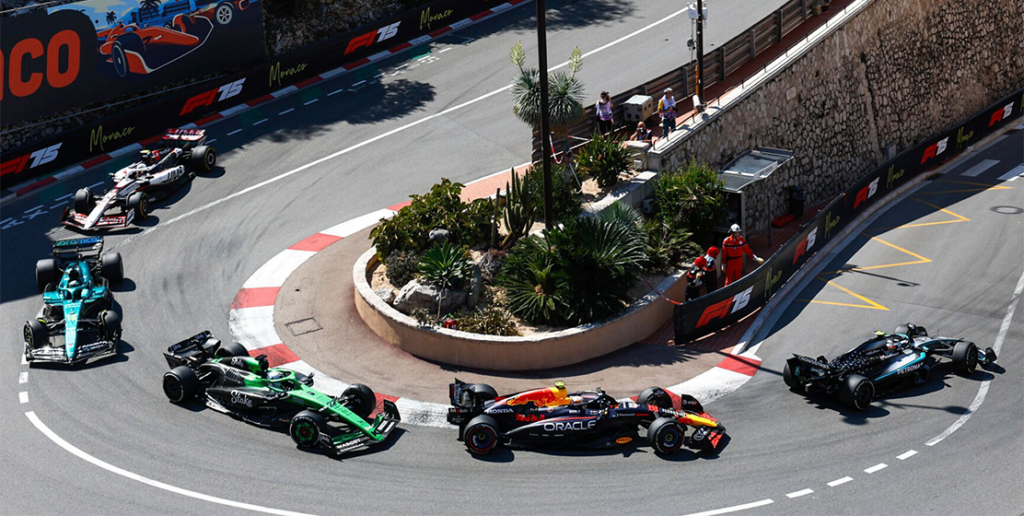

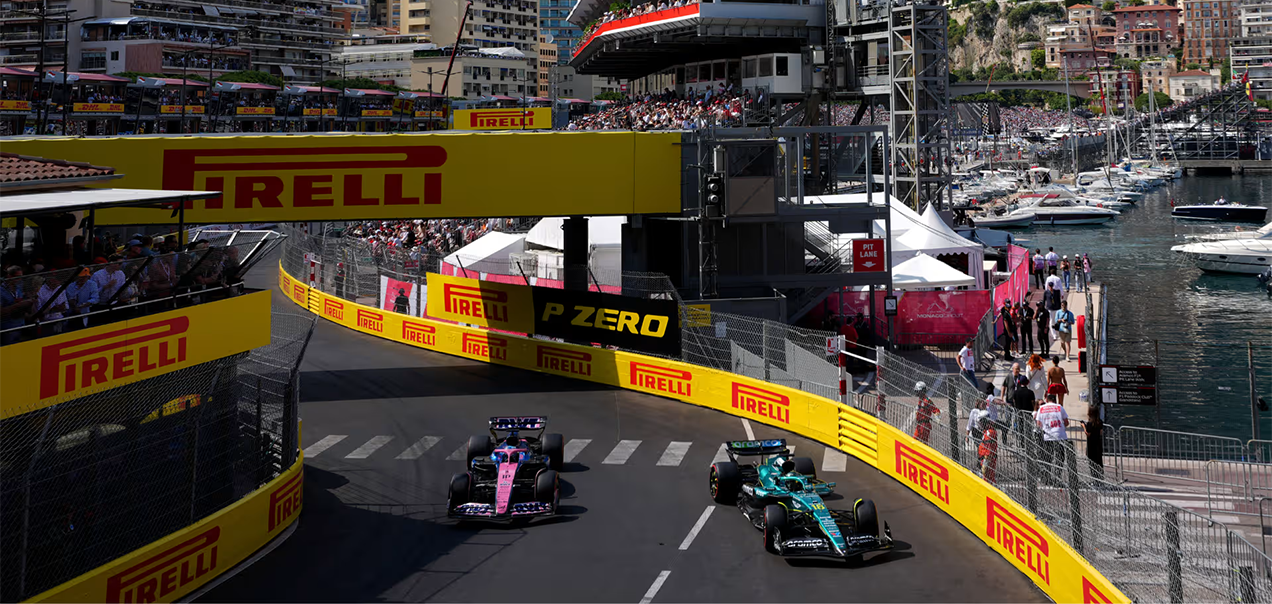
As Formula 1 approaches the Monaco Grand Prix, the age-old debate about the near impossibility of overtaking on the narrowest and most challenging track has resurfaced. Whether the rule changes implemented this season will make a difference on the streets of the principality remains to be seen.
Is it possible to switch sides?
Monaco, while arguably one of the most iconic circuits on the F1 calendar, remains a target of criticism due to its narrow streets and extremely limited overtake opportunities. Pit stop strategies often overshadow the actual on-track competition, leading to disappointment for spectators. Whether the new technical regulations will provide cars with greater flexibility and follow-through capabilities will be tested in Monaco.
The maximum speed limit debate.
Another important issue on the agenda is the speed limit that F1 is considering implementing in Monaco. Whether such a regulation is necessary for safety or would negatively affect the dynamics of the race is still being debated among teams and officials. Supporters argue that the limit would reduce the risk of accidents, while opponents claim it goes against the essence of F1.
What will be the impact of the rule changes?
While the new regulations introduced this season have generally affected the competition on the tracks, it remains unclear to what extent Monaco's unique structure will reflect these changes. Whether qualifying performance will translate to race pace, and how car performance will evolve, especially in slower sections, is eagerly anticipated. From a tactical perspective, pit stop timing and tire selection may play a more decisive role than ever before in Monaco.
The Monaco Grand Prix remains one of the most prestigious races of the F1 season, but this year it stands out with the new variables and questions it presents. Whether the race will be a true battle or a predictable sequence will become clear on Sunday.