

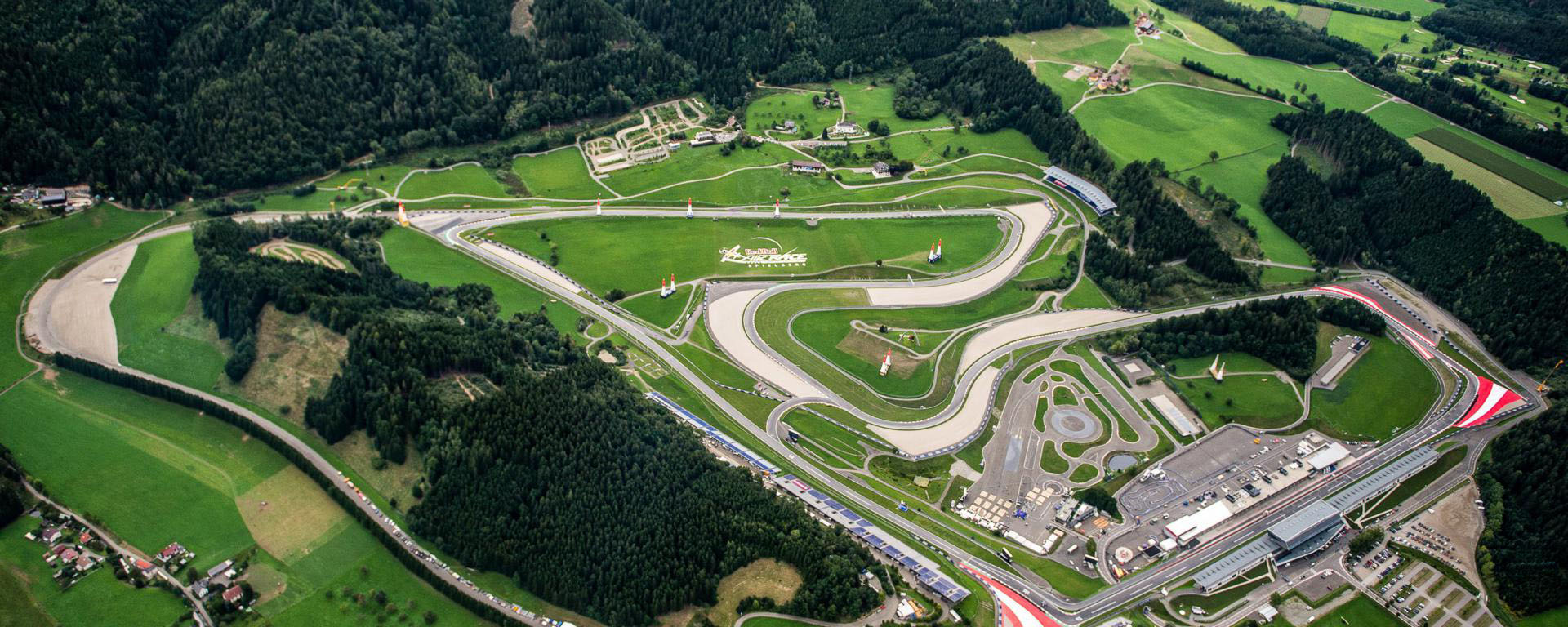
Formula 1's governing body, the FIA, has officially declared the 2026 Austrian Grand Prix a 'heat hazard' race. Air temperatures at the Red Bull Ring in Spielberg are expected to reach the mid-30s, with track temperatures exceeding 50 degrees Celsius. Under current FIA regulations, this mechanism is activated when race day temperatures are predicted to exceed 31 degrees Celsius. Austria is the third race to receive 'heat hazard' status, following last year's Singapore and US Grand Prix.
How does a cooling vest work?
The rule allows drivers the option of wearing a cooling vest to cope with extreme temperatures. These vests work by pumping liquids, such as glycol, from a tank containing dry ice through the driver's fireproof t-shirt. However, the system also has negative scenarios, such as the dry ice running out; in this case, the liquid continues to be pumped at the car's temperature. FIA regulations also increase the minimum weight of the cars by 5 kilograms to accommodate the equipment required for the cooling vest. Drivers who do not wish to use the vest will have to carry extra ballast to avoid gaining any advantage over their competitors.
Mercedes driver and Grand Prix Drivers' Association (GPDA) director George Russell achieved his victory in Singapore wearing a vest. Russell evaluated the system positively: “Not everyone may find it comfortable, but some find it more comfortable than others, and of course, you can adjust it to your preferences over time. The concept is good; when racing in 90 percent humidity and cockpits approaching 60 degrees, the inside of the car becomes like a sauna, so we all welcome it.” On the other hand, Max Verstappen had previously openly stated that he found the vests uncomfortable and problematic.
History of the rule and the 2026 amendment.
This regulation was implemented last year following the extreme heat crisis at the 2023 Qatar Grand Prix. In that race, Esteban Ocon vomited into his headset, Logan Sargeant was forced to retire due to the conditions in the Williams cockpit, and many drivers experienced burnout requiring medical attention. A new flexibility was introduced to the rule for the 2026 season: the 'heat hazard' announcement can now be applied separately between the sprint and main races if necessary. According to the FIA, in both cases, this announcement must be made 24 hours before the start of the race.