

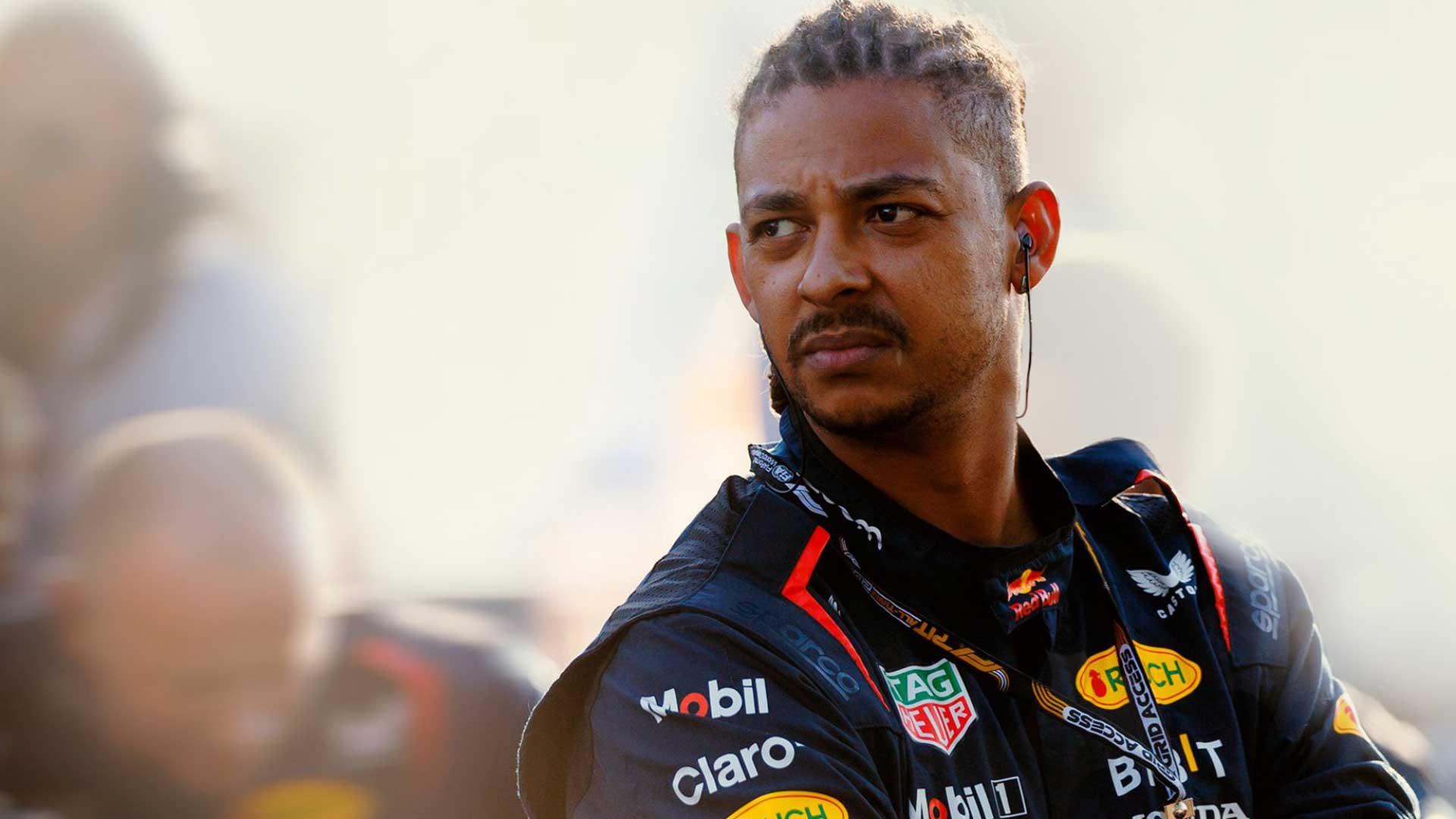
Red Bull ambassador and former mechanic Calum Nicholas has stressed that attributing the team's performance increase at the Austrian Grand Prix solely to aerodynamic updates can be misleading. In an interview on the Talking Bull podcast, Nicholas argued that the impact of unseen weight reduction efforts has been seriously overlooked.
Seven-component update package
Red Bull brought a comprehensive package to the Austrian Grand Prix weekend, containing seven different items in the FIA's official technical documentation. These changes included sidepod air intakes, the engine cover, the top and bottom surfaces of the floor, the rear corners, and the rear suspension fairings. According to Nicholas, an update of this scale is almost a complete redesign, giving the impression of a 'B-spec' car. The mechanic stated, "Looking at the FIA document, it's clear that the vast majority of the changes are aimed at airflow management and increasing downforce; the package is extremely comprehensive.".
The real question is: How much weight was lost?
Nicholas's main point was the internal structural updates that were not mentioned in the FIA documents and were not visible from the outside. The former mechanic asked, "There was talk of the car being overweight in the opening races of the season. What I'm really curious about is: how much of this performance comes from the announced aerodynamic improvements and how much comes from reducing a few kilos inside the body?" According to Nicholas, weight reduction programs work by the accumulation of small gains, and the impact on lap times can be greater than expected. "These kinds of improvements can really give you a significant time advantage; it's all about the sum of small steps," he said.
Calum Nicholas's analysis suggests that Red Bull's acceleration in Austria cannot be attributed to a single source. The team may have simultaneously implemented aerodynamic changes documented in FIA records, along with weight optimization measures that were not required to be publicly announced.