
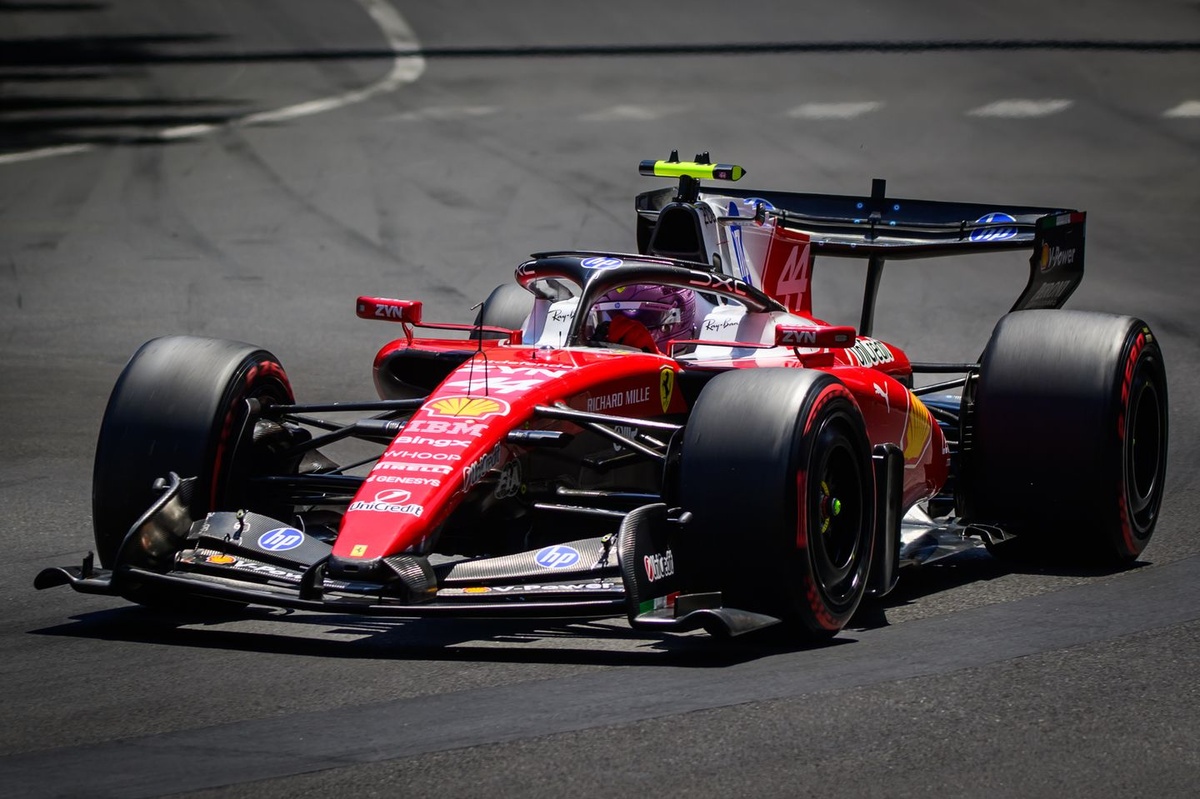
New technical regulations, which came into effect with the 2026 season, reshaped the F1 development hierarchy; Mercedes replaced McLaren as the previous leader. While Mercedes dominated the track in the first half of the season, Ferrari quickly joined the competition by successively updating the SF-26. Lewis Hamilton won in Spain, and Charles Leclerc won the British Grand Prix, demonstrating the fruits of Maranello's aggressive development policy on the track.
Wolff-Vasseur tension
Ferrari's frequent updates caught the attention of Mercedes Team Principal Toto Wolff. Wolff questioned whether Scuderia could stay below the budget cap while making such frequent package changes. Feeling directly targeted at Silverstone, Ferrari Team Principal Fred Vasseur made it clear that he was not pleased with his old friend Wolff's comment. Vasseur argued that the updates were being perceived as bigger than they were, saying: “It always makes more sense to bring performance improvements at the beginning of the season; spreading the 200,000 kilometers over five races, rather than the last two, is much more valuable. But sometimes what seems like a big update is actually just a modification of a few parts.”
Williams' structural barriers
While Ferrari and, in recent races, Red Bull have the infrastructure to make gradual additions to their machines, the situation is much more complex for the teams in the lower half of the table. Williams, predicted to make a big breakthrough before the season, entered the season without gaining the expected momentum from its Grove-based factory. Team Principal James Vowles explained with concrete reasons why they couldn't emulate Ferrari's development strategy: “Even if everything is ready on time, our efficiency level is not at the level of an F1 team that has been operating in an established way for ten years. Williams couldn't establish the right external supply network during a period when they lacked sufficient funds. Mercedes built relationships with the best suppliers for 12 years; the right people, the right communication, on-time delivery. I'm trying to create in two years what they built in ten. It won't happen overnight.” Vowles emphasized that due to this situation, time or cost losses in parts production are inevitable, and each team has to choose one or both of these variables.
Aston Martin is preparing for Hungary.
Aston Martin, meanwhile, has had a nightmare start to the season and currently sits at the back of the grid. The team is only ahead of new team Cadillac, thanks to a single point inherited from the controversial Monaco Grand Prix in June. The AMR26 has received minimal updates since the start of the season; however, a comprehensive package is expected for the Hungarian Grand Prix before the summer break. Chief Track Manager Mike Krack explained the impossibility of following Ferrari's plan: ’Every team has its own plan and acts according to it. Ferrari's intense update schedule is the product of a long-established strategy. If you're bad in Austria, you can't bring updates for Silverstone a week later; everything, including logistics, production and track technology, has to be planned well in advance.“