

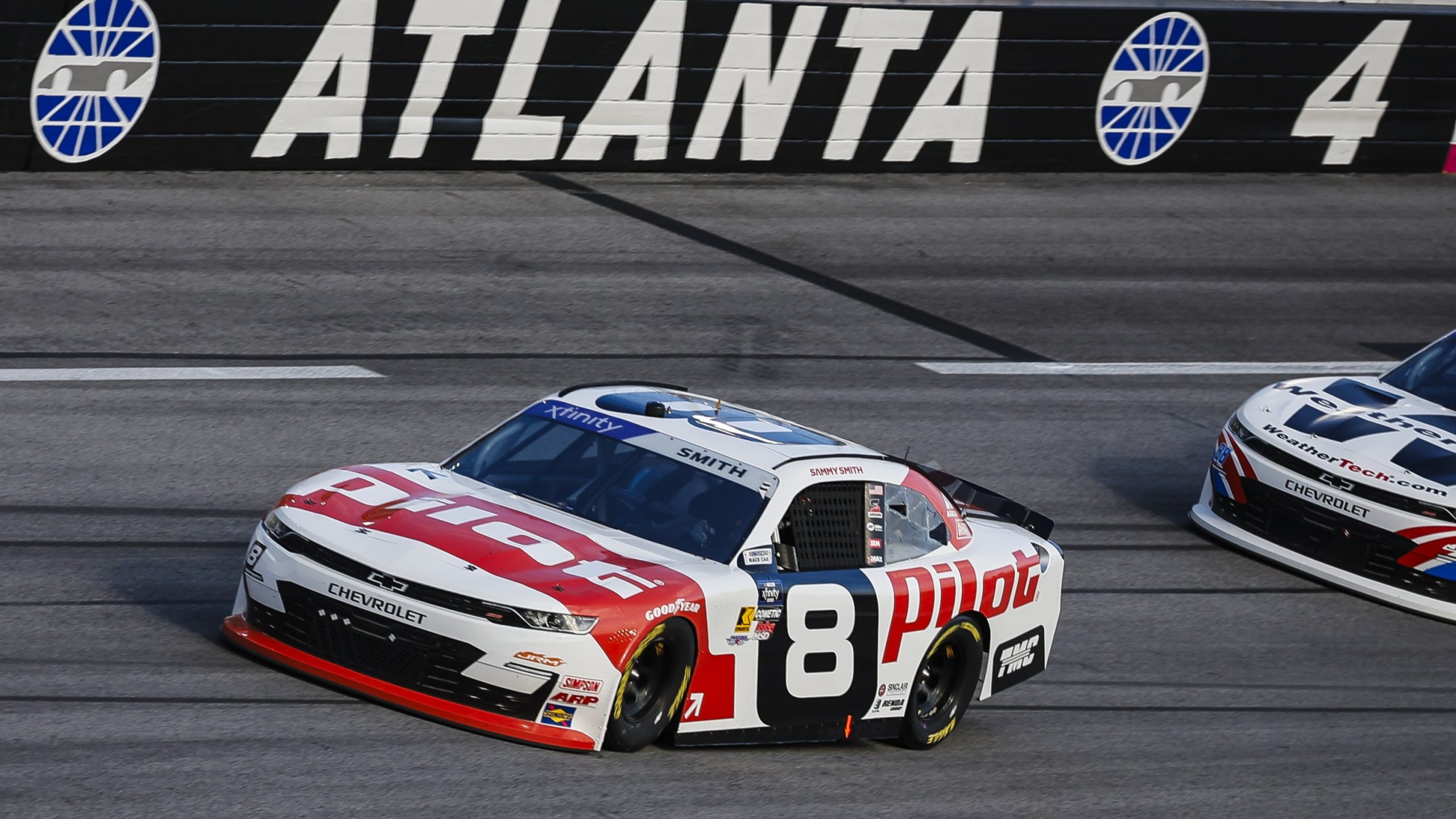
An unusual accident on the first lap of the NASCAR O'Reilly Series race at Naval Base Coronado on Saturday night ended in controversy that spread across the track. An open manhole punctured the radiator of Corey Day, driving Hendrick Motorsports' #17 car, disabling the vehicle. It took NASCAR and Navy personnel approximately an hour to weld and secure all the manhole covers; during this time, series director Eric Peterson allowed the Hendrick Motorsports team to work on the car under a red flag, a practice normally prohibited by the rulebook.
An unprecedented decision.
The repairs were completed simultaneously with the raising of the red flag. Peterson then allowed Day to complete four laps on the track, overtaking the drivers behind the leader and restarting the race on the same lap. This decision was largely accepted across the field; however, Sam Hunt, owner of Sam Hunt Racing, was the only one to voice reservations. Hunt said, “I don’t think something like that would have been allowed. I’ve never seen anything like it before. I feel sorry for them, whoever they are.”.
Alpha Prime Racing co-owner Tommy Joe Martins also believes his team won't receive the same treatment, but stated he doesn't oppose the decision. “I don't think I'll get the same opportunity as Rick Hendrick, but it was a really strange situation. I'm not angry as a competitor,” said Martins. Jordan Anderson Racing owner Jordan Anderson, however, openly gave Peterson credit: “I feel Eric Peterson speaks equally to the front and back of the garage and makes sure everyone is treated equally. So I think our car will be given the same opportunity.”
Support from championship rivals
Haas Factory Team driver Sheldon Creed, who is expecting to challenge Day and JR Motorsports' Justin Allgaier for the championship this fall, did not object to the decision. “If something like that happened to me on the first lap, I would want the same tolerance. So it didn’t bother me at all,” said Creed. Steve de Souza, O’Reilly Series program manager for Joe Gibbs Racing, also defended the re-engineering practice, emphasizing that Day completing four laps was a fair solution considering variables such as fuel and tire wear.
NASCAR, however, accepted responsibility for the damage. The fact that the incident occurred on the first lap of the race made it possible for officials to reverse the process. During the first practice session at the San Diego street course The context behind this decision is better understood when one recalls the challenges the track faced due to its military base infrastructure. Anderson summarized this point with these words: “This isn’t a race track. It happened to F1 in Las Vegas, these things can happen on tracks like this.’